One language, many politeness levels
Les fiches culture sont pour l'instant rédigées en anglais et en arabe. L'édition française arrive.
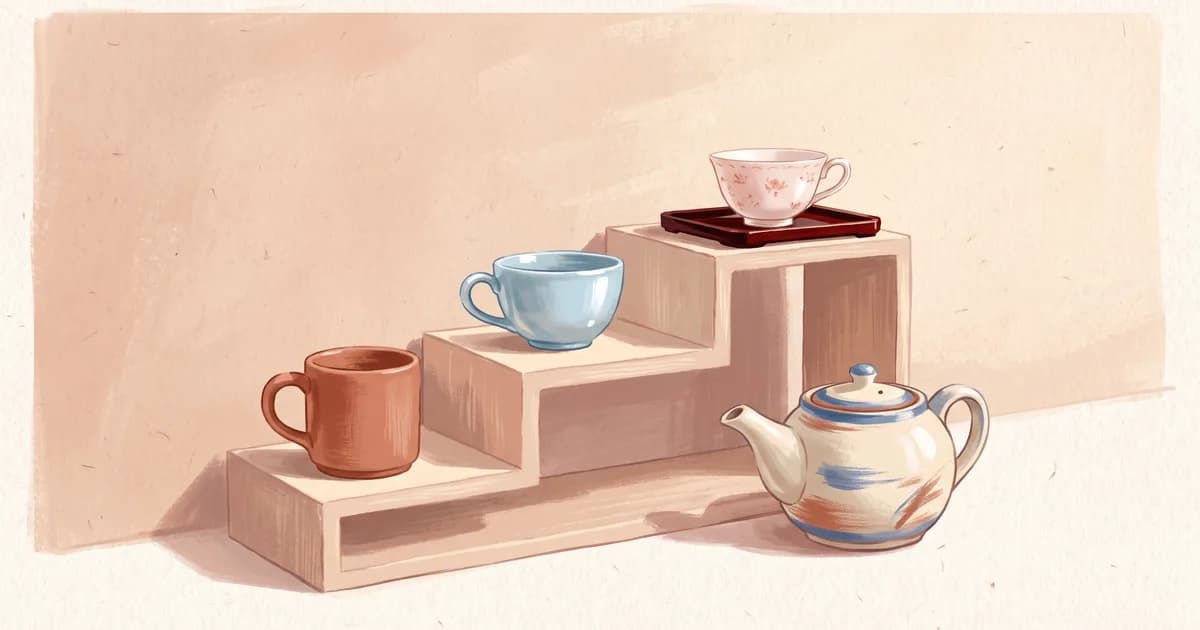
Japanese doesn't just have polite words — it has polite grammar. The same sentence changes shape depending on who you're talking to. "I eat" is taberu with friends, tabemasu with strangers or teachers, and in formal keigo the verb can transform entirely. As a beginner you only need one gear: the polite -masu / desu form. It's respectful everywhere, from a konbini counter to a job interview. Casual speech comes later, once you have friends to be casual with. Tunisians actually start with an advantage: we already switch naturally between Derja with friends and formal Arabic or French in official settings. That instinct — reading the room and shifting register — is exactly the skill Japanese politeness runs on.