La culture japonaise, expliquée aux débutants
Le salut, les chaussons, la soupe du Nouvel An, pourquoi le silence peut être poli — ce qu'un manuel saute. Chaque fiche est courte, écrite simplement, et libre d'accès.
12 fiches, en lecture libre
Les fiches culture sont pour l'instant rédigées en anglais et en arabe. L'édition française arrive.
 Étiquette
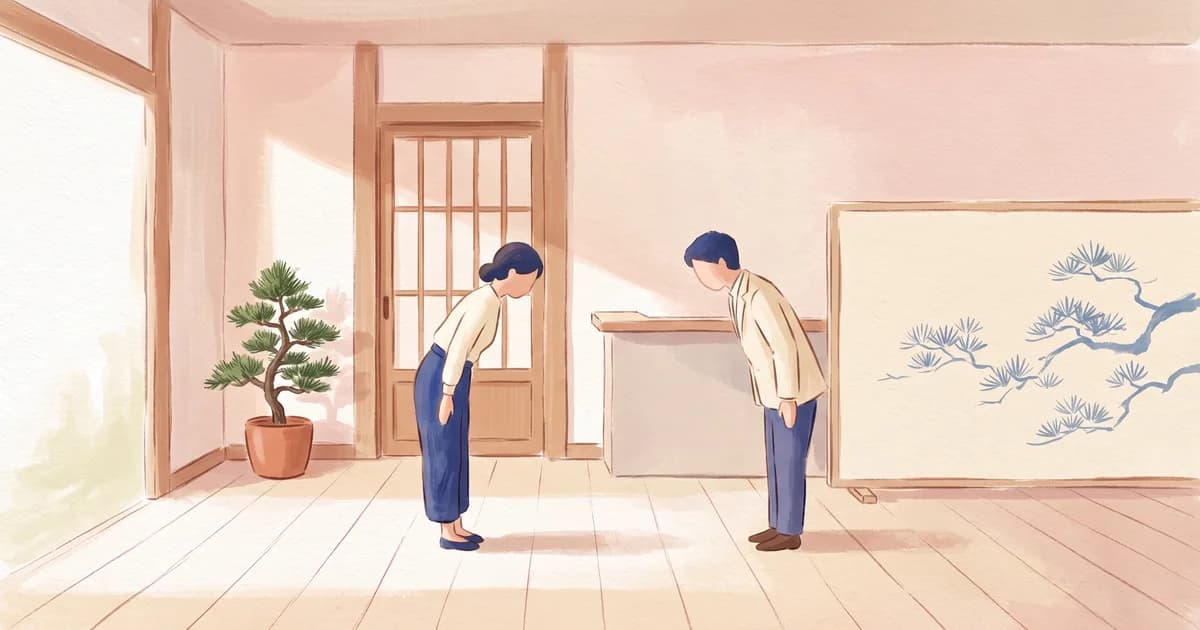
The art of the bow
In Japan, a bow can say hello, thank you, sorry, or goodbye — sometimes all at once. Instead of a handshake or the Tunisian double kiss on the cheeks, people bend from the waist, keeping the back…
Lire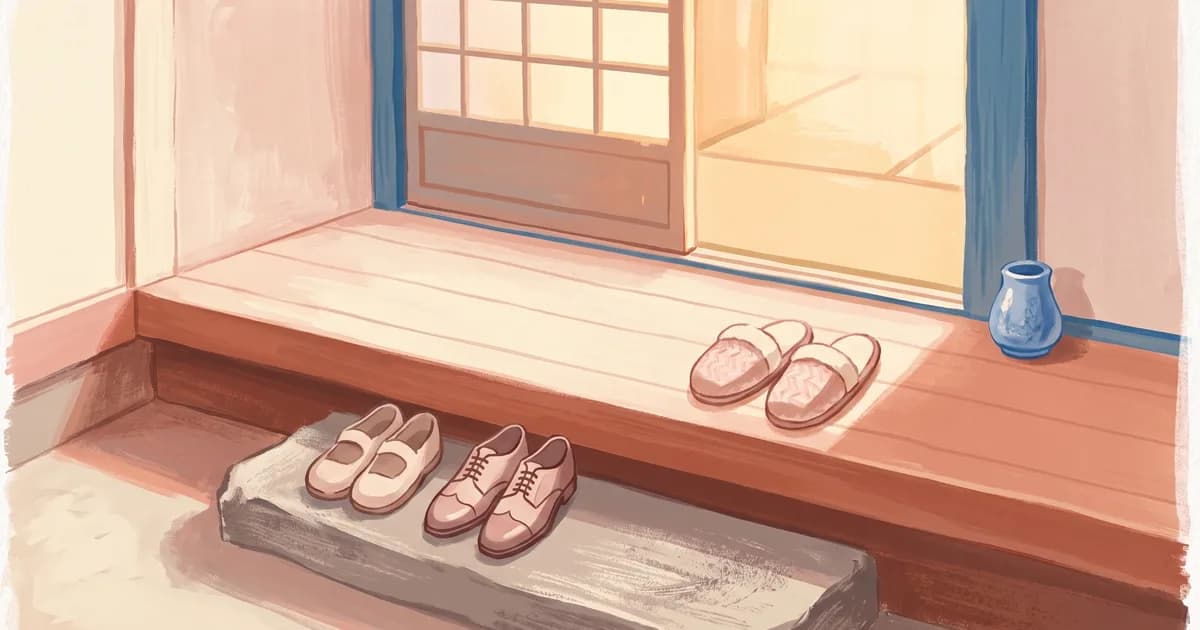 Étiquette
Shoes off at the genkan
Every Japanese home begins with a genkan — a small sunken entryway where the outside world stops. You step in, take off your shoes, turn them to face the door, and step up into the house in socks or…
Lire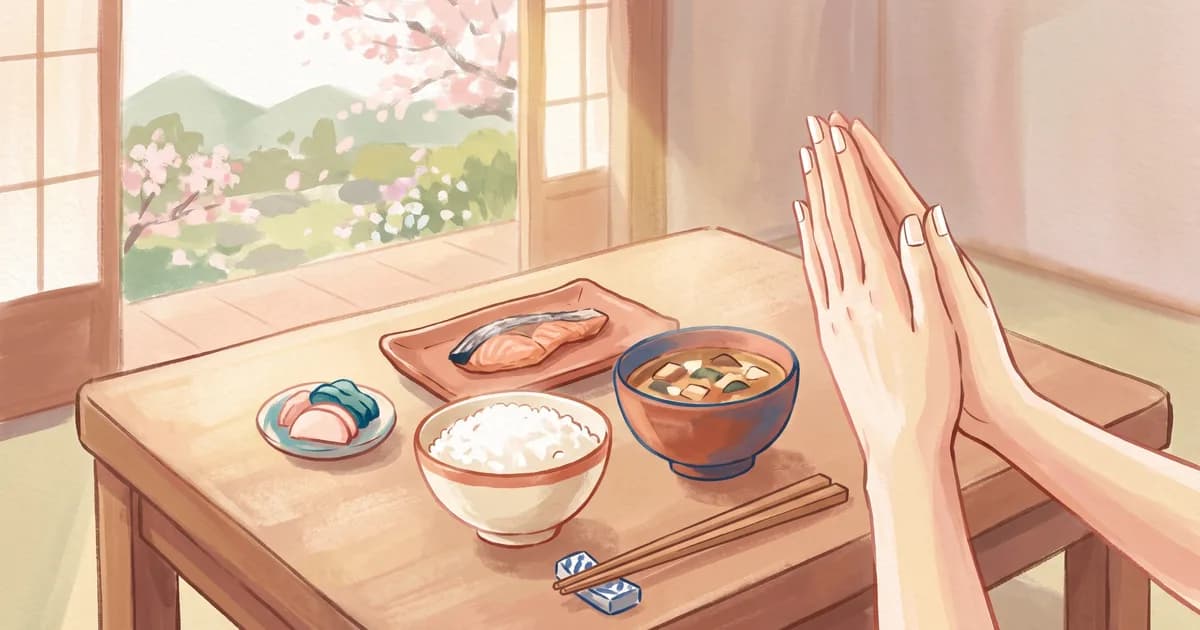 Cuisine
Itadakimasu — a word before eating
Before the first bite, Japanese people put their hands together and say itadakimasu — literally "I humbly receive." It thanks everyone and everything behind the meal: the farmer, the cook, and the…
Lire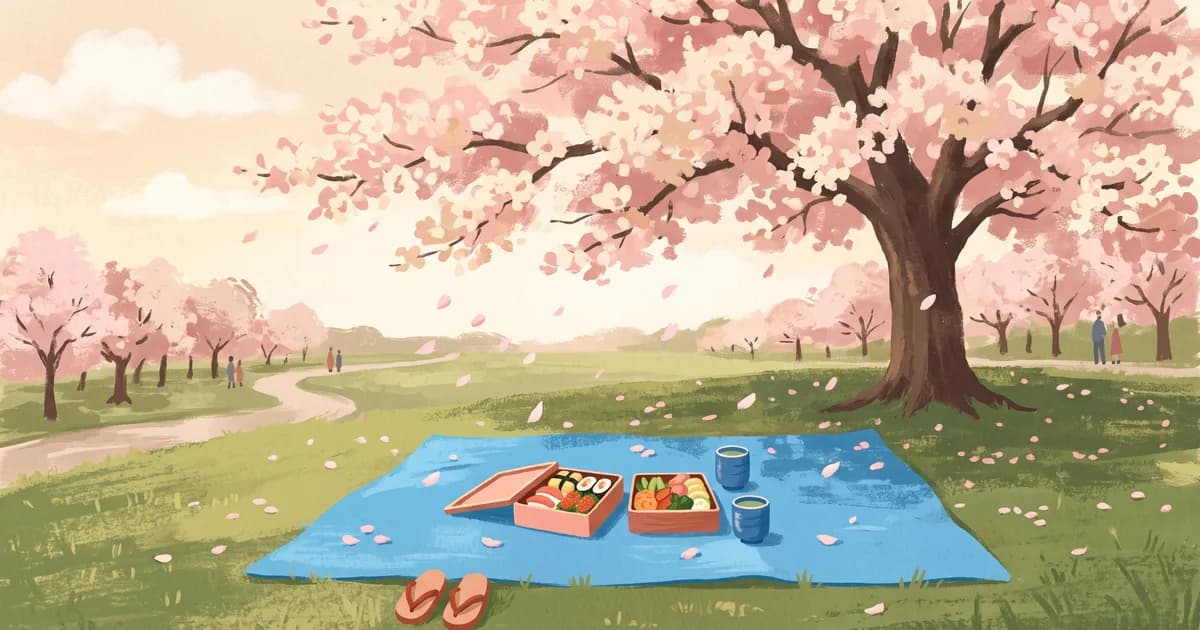 Fêtes
FêtesHanami — picnics under falling petals
For about two weeks each spring, Japan turns pink. Cherry trees (sakura) bloom in waves from the warm south to the cold north, and the whole country follows the "blossom front" on the news like we…
Lire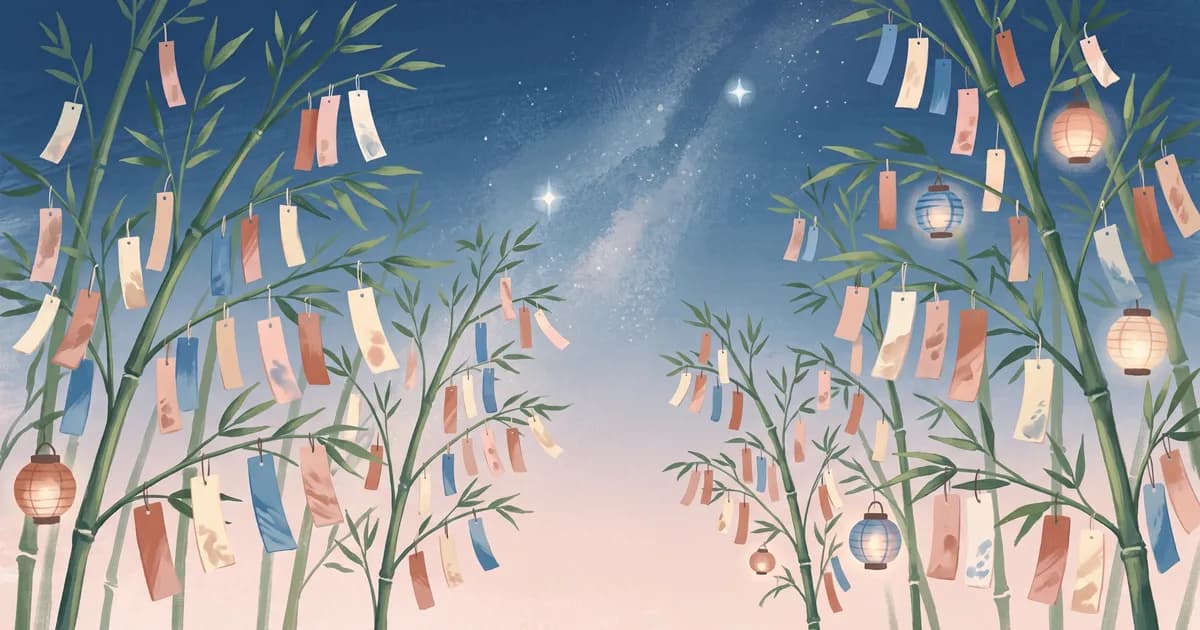 Fêtes
FêtesTanabata — wishes on paper
On July 7th, Japan celebrates Tanabata, the star festival. The story: two lovers — the weaver star Orihime (Vega) and the cowherd star Hikoboshi (Altair) — are separated by the Milky Way and allowed…
Lire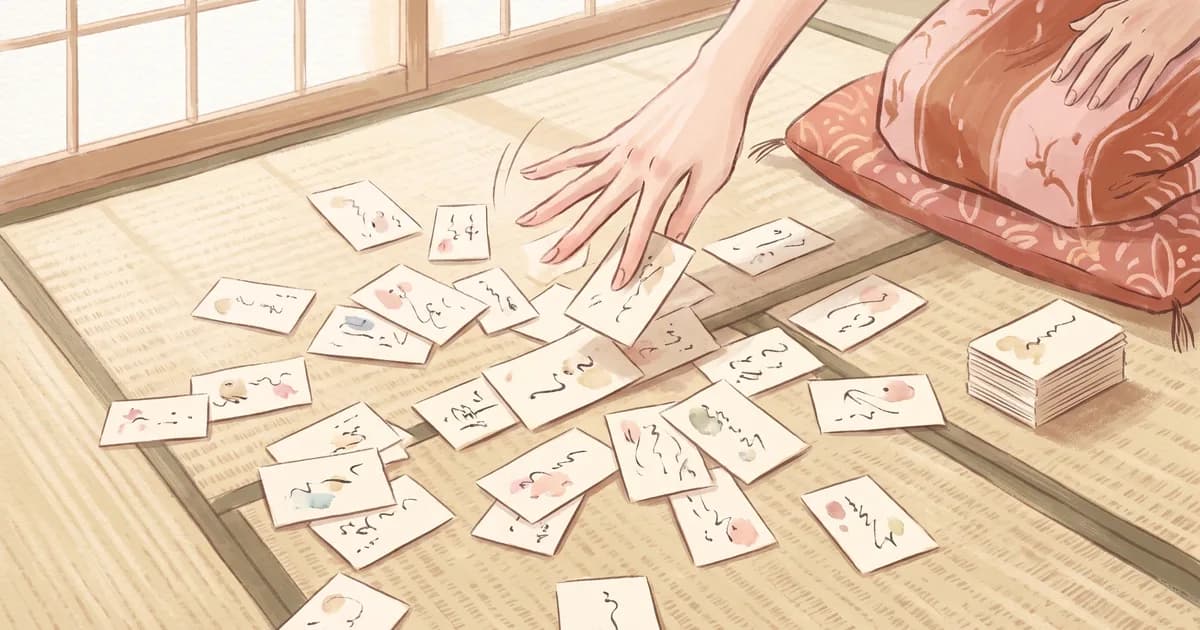 Pop culture
Karuta — the fastest card game you've never played
Karuta is a Japanese card game of speed and memory. Cards are spread on the floor; a reader recites a clue, and players race to slap the matching card before anyone else. The snap of a champion…
Lire Pop culture
Shiritori — the endless word chain
Shiritori means "taking the rear end." One player says a word; the next must say a word starting with the last kana of the previous one. さくら (sakura) → らくだ (rakuda, camel) → だるま (daruma)… and on it…
Lire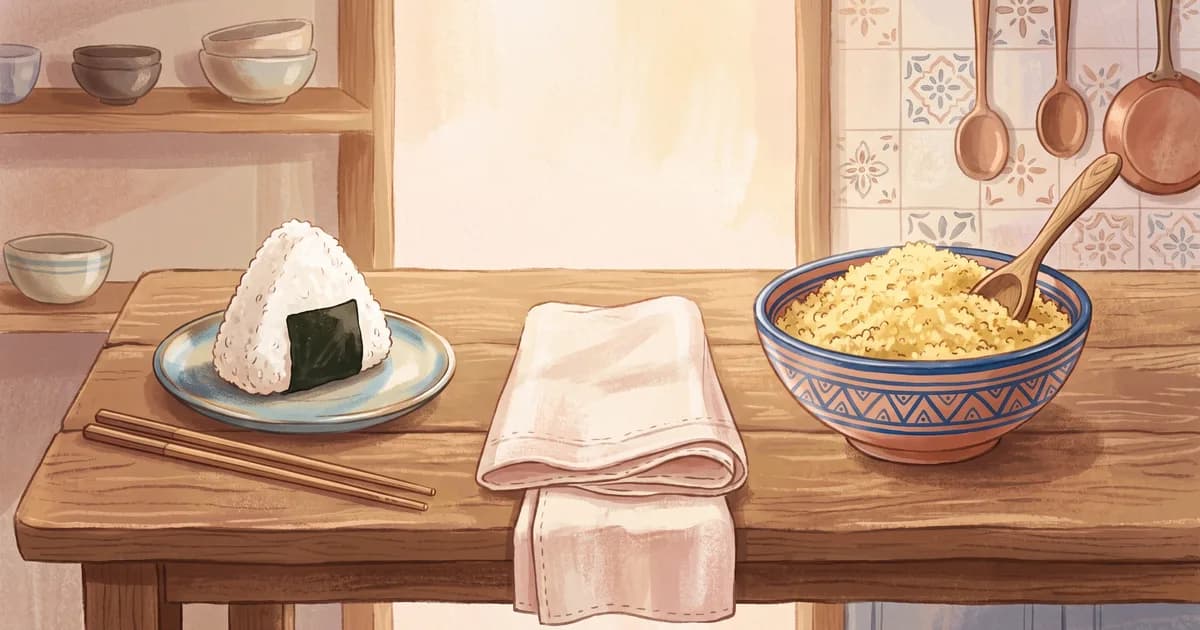 Cuisine
Onigiri and couscous — two ways to say home
The onigiri is Japan's pocket comfort food: a palm of rice pressed into a triangle, a surprise filling — salted salmon, pickled plum — and a crisp band of nori seaweed. Mothers tuck them into lunch…
Lire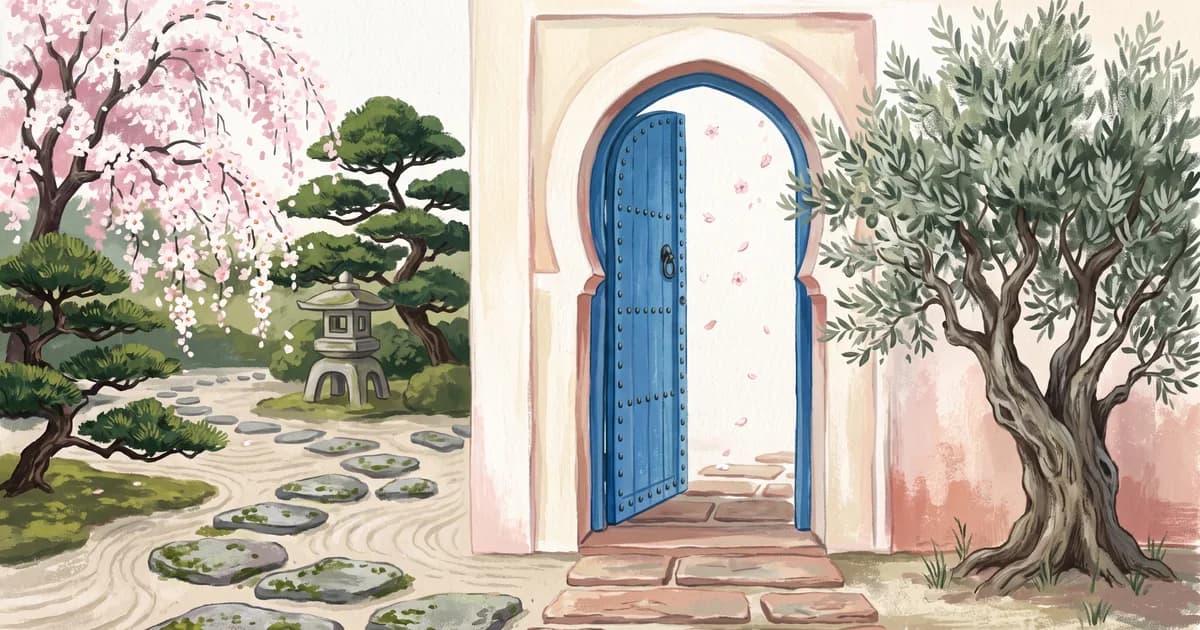 Tunisie × Japon
Tunisia and Japan — an old friendship
Tunisia and Japan may sit 10,000 km apart, but the friendship is real and decades old. Japan's cooperation agency JICA has worked in Tunisia since the 1970s — on water, infrastructure, fisheries, and…
Lire Pop culture
Anime — the gateway generation
Japanese animation reached the world in waves. It began at home in the 1960s, when weekly TV series proved cartoons could tell long, serious stories; studios in Tokyo built an industry drawing…
Lire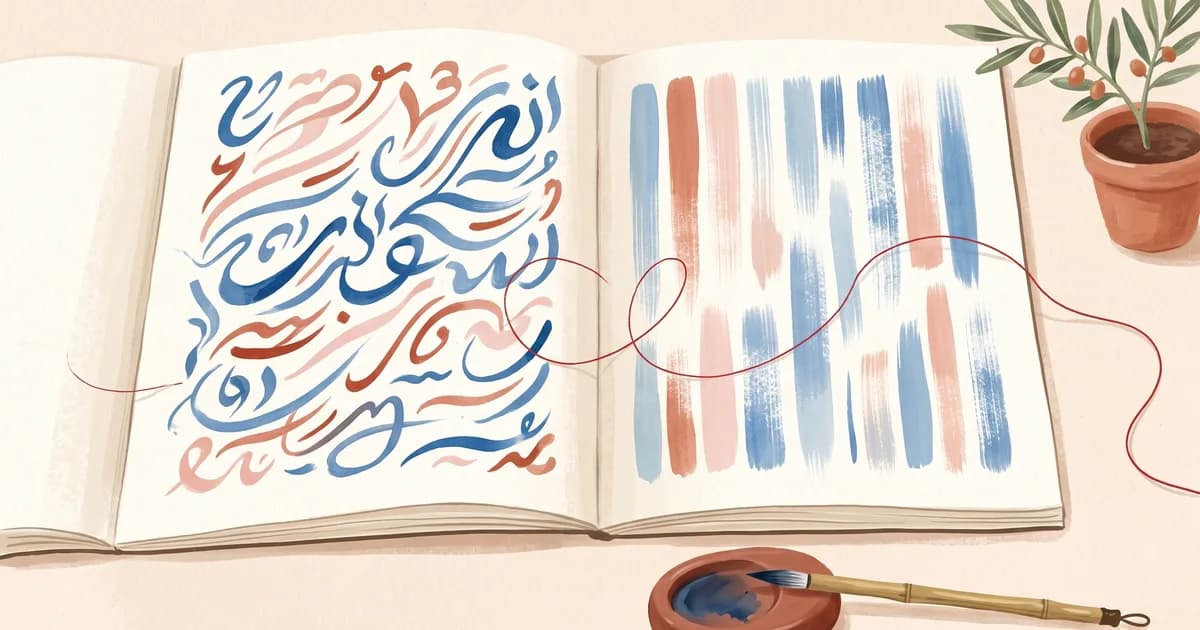 Tunisie × Japon
Japanese words you already know
You speak more Japanese than you think. Tsunami (harbor wave), karaoke (empty orchestra), sudoku, judo, karate, ninja, manga, emoji (picture character — not from "emotion"!), bonsai, kimono, sushi,…
Lire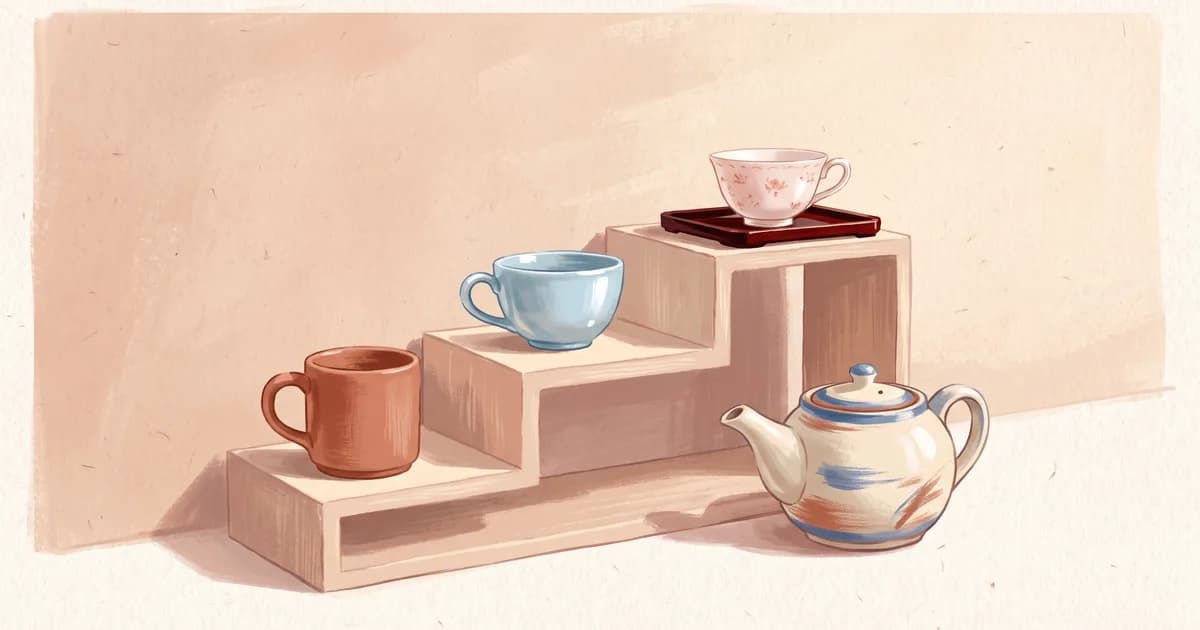 Vie quotidienne
One language, many politeness levels
Japanese doesn't just have polite words — it has polite grammar. The same sentence changes shape depending on who you're talking to. "I eat" is taberu with friends, tabemasu with strangers or…
Lire